Amazon’s Profile Page Shows Surprising Personal Inferences — Here’s How To See Yours

Subheadline: A social post went viral after a shopper discovered Amazon had labeled her as having a “flat rear,” prompting users to check the retailer’s shopping-profile tool and renewed questions about targeted inferences.
Amazon’s settings now include a section that lists attributes the company infers about customers from their purchases — and some of those assumptions can be oddly intimate. A Threads user posted that her account indicated she had a “flat rear,” and the share drew more than 1 million views in under a day as people rushed to see what the retailer thinks about them.
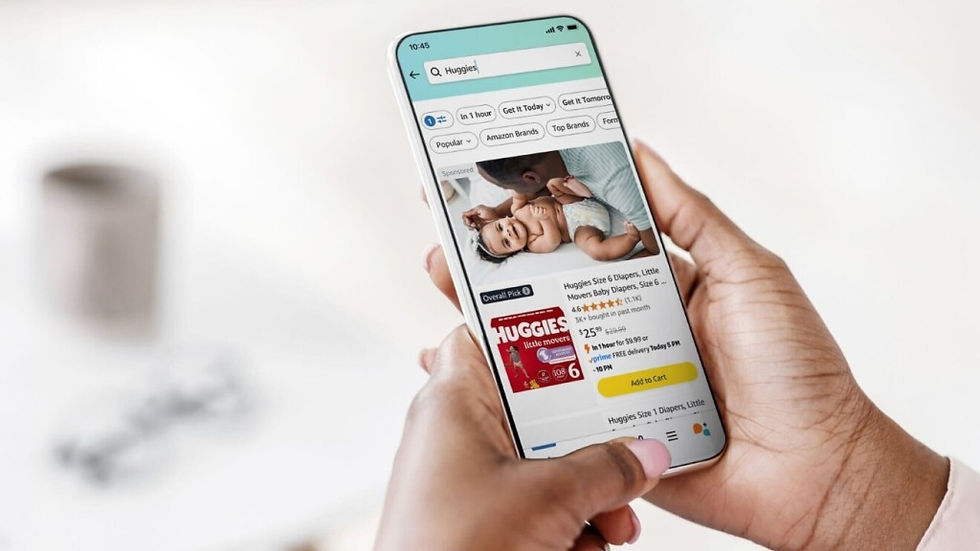
If you want to look for yourself, the page is tucked into your account preferences. On a desktop, hover over the greeting in the top-right corner, select “Account,” then choose “Your Shopping preferences” under ordering and shopping. At the bottom of that page click the link to manage your information and the inferred interests and labels will appear. In the Amazon mobile app, open the menu using the three-line icon, then go to Account > Shopping preferences > About you.
The kinds of conclusions Amazon lists can range from harmless — like a taste for particular home goods — to oddly specific body-related tags. In my own account the company flagged interests such as photography, collectible card games and a preference for products in the Apple ecosystem. Coworkers’ profiles showed hobby-related notes like a fondness for vinyl and ceramics, or a tendency to choose comfortable, natural-fiber clothing. One person who saw the “flat rear” label on the Threads poster pointed to earlier purchases of form-fitting “butt-scrunch” leggings as a probable trigger.
Privacy specialists say these inference tools are an efficient way for platforms to tailor recommendations, but they also raise concerns about profiling based on buying behavior. A privacy researcher I spoke with said consumers should be aware that retailers will turn purchase history and browsing patterns into categorical signals, and they should check and edit those settings if they’re uncomfortable. They added that while companies argue such data improves the shopping experience, users lose a degree of control over how personal traits are cataloged.
For now, Amazon lets shoppers correct or supplement the information on the page — you can add things like shoe size, dietary preferences or other details — or remove inferred tags that feel wrong. Whether you find the process useful or unnerving, the episode is another reminder that the technologies running everyday online marketplaces observe more than just what’s in your cart.

Comments