Ringg Raises $10 Million From Peak XV to Expand Business-Focused Voice Automation
- Andrej Botka
- 24 hours ago
- 2 min read

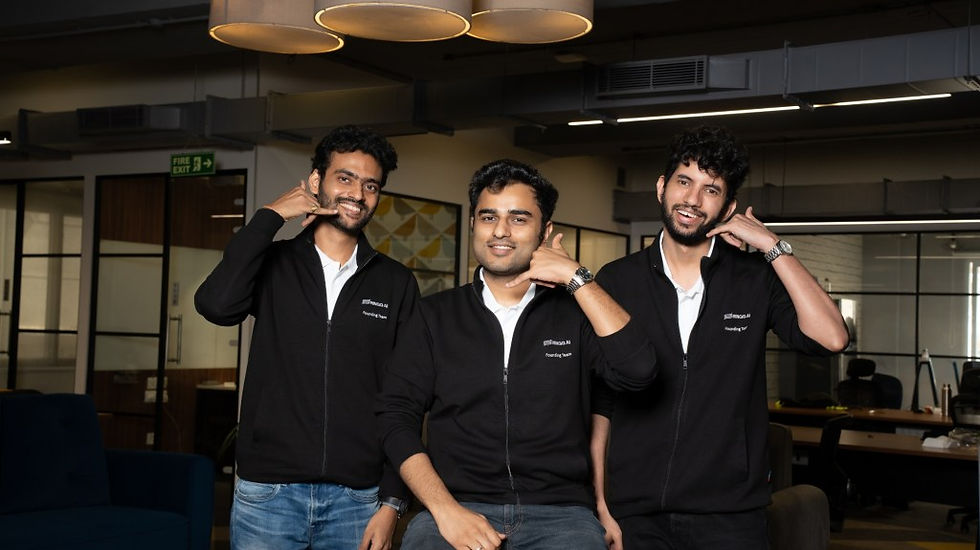
Ringg, an Indian startup that converts phone conversations into automated business tasks, said Monday it secured $10 million from Peak XV Partners as an add-on to its Series A, bringing the round’s total to $15.5 million. The company, which handles about 20 million attempted calls each month, says the funding will support a push into higher-value enterprise workflows at a time when roughly three-quarters of Indian consumers still prefer speaking with businesses by phone.
The firm traces its origins to a text-to-speech project called DesiVocal but shifted direction after finding in-house model training too costly. Founders retooled the product to create conversational agents that act on behalf of companies — moving from raw voice synthesis into end-to-end automation that performs tasks customers would normally handle with human agents.
Ringg’s early customers used the system for high-volume, routine work such as outbound sales outreach and debt collection. But company leaders concluded those uses were prone to price competition and limited loyalty, so they have steered the product toward more complex, repeatable processes. Today its platform helps book and follow up on medical appointments across more than 1,200 clinics via a health app, re-engages shoppers who leave items in carts, and automates onboarding and identity checks for finance apps. Clients include several large Indian startups and a handful of international firms, the company said.
Technically, Ringg develops its own voice recognition and synthesis systems and aims eventually to control the whole stack — from model runtimes to deployment — though cost pressures have kept it operating as a coordination platform for now. The software routes tasks to different models or channels, and the company has begun expanding beyond phone calls into chat, WhatsApp and browser-based support automation for some customers. Rather than pushing direct sales into the U.S., Ringg plans to team with offshore service hubs run by multinationals to bundle automation alongside human support staff.
Investors say the startup’s engineering background gives it an edge on tougher enterprise problems. “Their roots in building models show up in the way they tackle multi-step workflows,” a principal at Peak XV said, adding that technical depth can help close higher-value tasks consistently. The conversational voice sector in India is congested: global model vendors and local specialists are competing at the model, orchestration and application layers, while many believe the most durable positions will come from owning customer outcomes, not just models.
Ringg has about 40 employees and has added more than 15 people in recent months. The company is hiring engineers who combine coding with product thinking and researchers focused on cutting the cost of running voice systems as it scales to meet growing demand.
Comments