Silicon Valley Contest Turns Bitter As Old Legal Files Surface
- Andrej Botka
- 1 апр.
- 2 мин. чтения

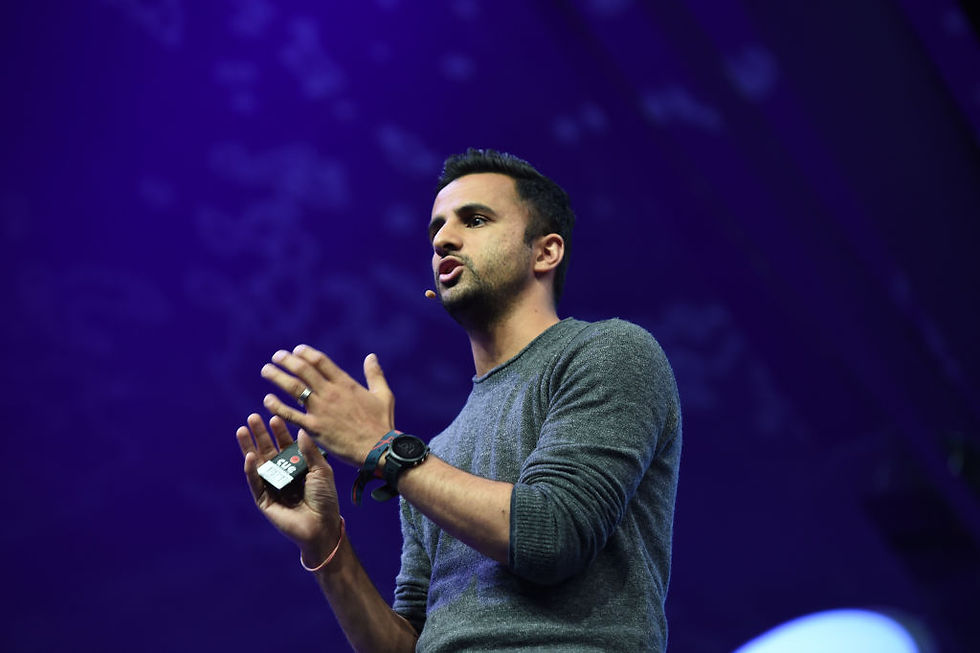
The primary is months away, but the contest in California’s 17th Congressional District between five-term Rep. Ro Khanna and tech entrepreneur Ethan Agarwal has already descended into a bruising fight. Agarwal, who launched his campaign in March with backing from several wealthy Silicon Valley donors, has focused attacks on Khanna’s financial disclosures and trades, while opponents have circulated a trove of court records that have raised fresh questions about Agarwal’s business conduct.
Local newsrooms say they received anonymous digital packages containing legal documents tied to Agarwal’s time as founder of the fitness app Aaptiv. Among the materials is a $683,000 personal judgment linked to a copyright settlement with Universal Music Group after Aaptiv used licensed recordings, a lawsuit of nearly $2 million from a landlord over a One World Trade Center lease alleged to have been abandoned during the pandemic, and a 2019 suit by a company that pursued thousands of similar internet-file-sharing claims nationwide. The landlord claim was later withdrawn and the file-sharing dispute resolved via settlement without a judicial finding of guilt; the music industry case remains the largest entry in the packet.
Court records show Agarwal had guaranteed roughly $2 million in the music settlement but stopped making the final payments with about three months remaining, prompting the smaller judgment before the parties arranged a different settlement. Campaign officials for Agarwal did not respond to requests for detailed comment, but he has publicly acknowledged the embarrassing headlines and framed the disclosures as part of the rough-and-tumble of politics. One of his high-profile backers, investor Chamath Palihapitiya, publicly suggested the documents are opposition research meant to blunt Agarwal’s momentum against Khanna.
The dispute is rooted in larger tensions in the district, which contains many of Silicon Valley’s corporate headquarters and affluent communities. Khanna angered some tech donors by endorsing a proposed statewide ballot question that would levy a one-time, one-in-twenty tax on Californians with fortunes above $1 billion — a policy move Agarwal’s supporters say helped spur the donor-driven effort to unseat him. Voters here are wrestling with competing messages about economic fairness, corporate power and who best represents a region dominated by tech wealth.
Political operatives say the back-and-forth could determine turnout and donor enthusiasm ahead of the June contest. A campaign strategist who reviewed the files on condition of anonymity argued that airing past legal disputes is a common tactic to force a newcomer onto the defensive, but cautioned that such tactics can backfire if voters view them as dirty politics. A professor of political ethics noted that settlements and dropped claims do not automatically translate into legal culpability, yet they can shape media narratives and fundraising in tight primaries.
For now, both sides appear to be preparing for a sustained fight. Khanna’s campaign plans to highlight his record in Congress, while Agarwal’s team is pressing forward with messaging about reform and private-sector experience. Local voters say they’re watching closely as the dossier and counterattacks complicate what many expected would be a straightforward rematch in a district shaped by the tech economy.
Комментарии